Driving Inclusion in Education with Integrity and Athenticity
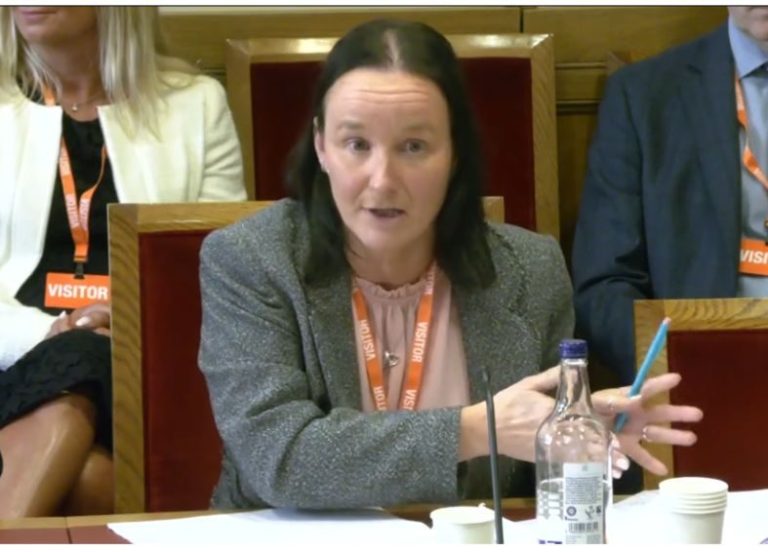
Meet Dr Nic Crossley
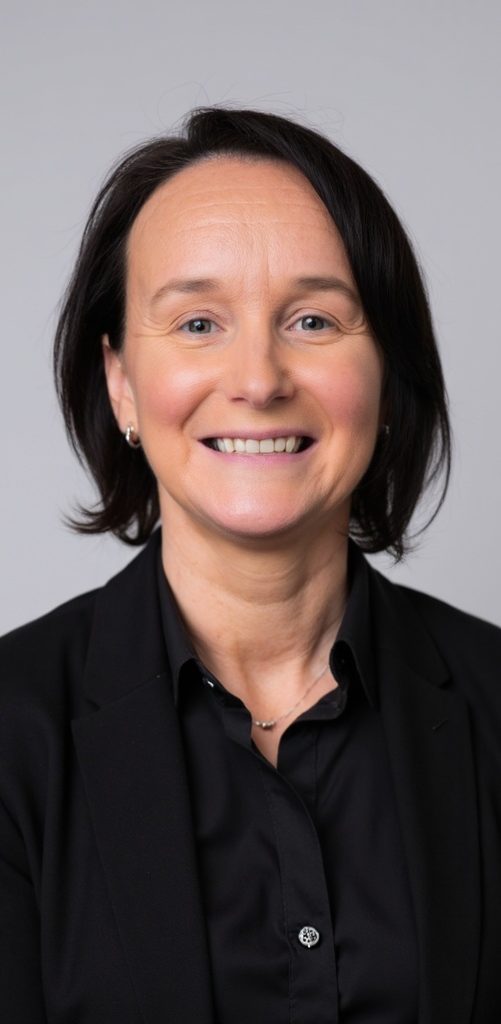
Her leadership trajectory has been characterised by rapid progression and a strong moral purpose, driven by a desire to improve opportunities for those most at risk of educational marginalisation. Through each role, she has combined strategic oversight with practical expertise, developing a reputation for implementing sustainable improvements in complex and challenging settings.
Her national influence is reflected in her work with key sector organisations. Dr Crossley is a Council member of the Association of School and College Leaders (ASCL), where she serves as Vice Chair of the Ethics, Inclusion and Equalities Committee and acts as the national SEND representative. In this capacity, she contributes to shaping national policy discussions on inclusion, leadership, and education reform.
She is also an active member of the Confederation of School Trusts (CST) Policy Advisory Group, contributing to strategic thinking on system-wide leadership and governance. In addition, she is co-founder of the MAT SEND Leaders Group, a professional network designed to strengthen collaboration and knowledge exchange among system leaders responsible for SEND provision across multi-academy trusts.
Dr Crossley holds a Master’s degree in Educational Leadership and Management (MA) and a Master’s degree in Practice-Based Educational Research (MEd), reflecting her deep engagement with both theory and practice. Her work bridges academic research and applied leadership, enabling her to translate evidence into actionable strategies within schools and trusts.
She is an Honorary Teaching Fellow at the Centre for Teacher Education at the University of Warwick, an appointment awarded in recognition of her significant contributions to teacher education. In this role, she supports the development of early career teachers and contributes to the advancement of inclusive pedagogical approaches.
Dr Nic Crossley is a nationally recognised education leader, researcher, and advocate for inclusive practice, with over 25 years of experience spanning primary, secondary, mainstream, and specialist education. Her career has been defined by a sustained commitment to improving outcomes for vulnerable learners, particularly those with special educational needs and disabilities (SEND), and by a principled approach to leadership grounded in equity, inclusion, and social justice.
Currently serving as Chief Executive Officer of Liberty Academy Trust, Dr Crossley leads a specialist multi-academy trust focused on supporting autistic pupils and young people with complex needs. Since its formation in 2022, the trust has been driven by a vision that prioritises not only academic achievement but also the social, emotional, and psychological wellbeing of every learner. Her leadership reflects a belief that education systems must adapt to learners, rather than requiring learners to conform to rigid structures—a philosophy that has positioned her as a leading voice in inclusive education reform.
Dr Crossley’s professional experience spans a wide range of educational contexts, including mainstream schools, specialist provision, and system-level leadership roles. She has worked as a teacher, senior leader, consultant principal, and school inspector, alongside designing and delivering leadership development programmes for middle and senior leaders across England, Wales, and Jersey.
Dr Crossley also contributes to ongoing research, including serving on the advisory committee for the ESRC-funded ConNECT project (Conceptualisations of Neurodiversity and barriers to Inclusive Pedagogy for Early Career Teachers), which explores how teachers can better support neurodivergent learners.
A respected author and thought leader, Dr Crossley has co-authored two influential books:
- Inclusion: A Principled Guide for School Leaders; and
- Inclusion: A Principled Guide for Early Career Teachers
Published as part of the NASEN Spotlight series, these works provide a structured framework for embedding inclusive values into leadership practice. They explore themes such as disadvantage, SEND, culture, and systemic inequity, offering practical strategies alongside theoretical insights. Her writing is characterised by an emphasis on “principled leadership”—a model that combines ethical decision-making with evidence-informed practice to address inequities across the education system.
Beyond books, she frequently contributes articles to sector publications including TES and Schools Week, addressing issues such as inspection, workforce development, and SEND policy.
In addition to her formal leadership roles, Dr Crossley is widely recognised for her advocacy on behalf of marginalised groups within education. Her specialist areas of expertise include autism and social, emotional, and mental health (SEMH), and she has consistently championed the need for education systems to better recognise and respond to neurodiversity.
Her work emphasises the importance of belonging, representation, and voice, both for pupils and for staff. She has spoken openly about her own experiences, including being an autistic leader, using her platform to challenge stigma and promote authenticity in leadership.
Through ASCL and other networks, she has also highlighted issues related to gender equality, advocating for greater recognition of women leaders and calling for systemic change in how leadership is experienced across the sector.
Dr Crossley’s work has received recognition at national level, reflecting her impact on inclusive education and system leadership:
- She was shortlisted as a finalist in the SEND & Inclusive Practice category of the Pearson National Teaching Awards 2026.
- Her leadership within Liberty Academy Trust has also been recognised through sector awards programmes, including shortlisting in the Network for Education Excellence (nEdEx) School & Trust Leadership Awards 2026.
Her honorary fellowship at the University of Warwick represents a further formal acknowledgement of her contribution to teacher education and professional learning.
At the heart of Dr Crossley’s work is a clear and consistent philosophy: that inclusion must be principled, systemic, and embedded in every aspect of educational practice.
She challenges deficit models of SEND and instead promotes an asset-based approach that recognises diversity as a strength.
Her leadership is characterised by authenticity, courage, and a willingness to confront complex issues, from inequity in educational outcomes to structural barriers within the system.
She advocates for a model of education that values the whole child, integrating academic, social, and emotional development into a coherent framework for success.
Colleagues and collaborators frequently highlight her ability to combine strategic clarity with deep empathy, creating environments in which both learners and professionals can thrive.
As one commentator noted, her career provides “a unique insight into the way schools manage and deliver SEND provision… for the benefit of some of the most disadvantaged young people.”